If you’ve ever gotten a quote for
PCB assembly and thought “why does this cost so much?” or “why is this board cheaper than that one?”—you’re not alone. PCB pricing can feel like a black box. Two boards that look similar on the surface can have wildly different price tags, and it’s not always obvious why.
Understanding what drives PCB costs can help you make smarter design decisions, set realistic budgets, and have more productive conversations with your manufacturing partner. Let’s break down the key factors that actually impact what you’ll pay.
Board Complexity Is a Big Deal
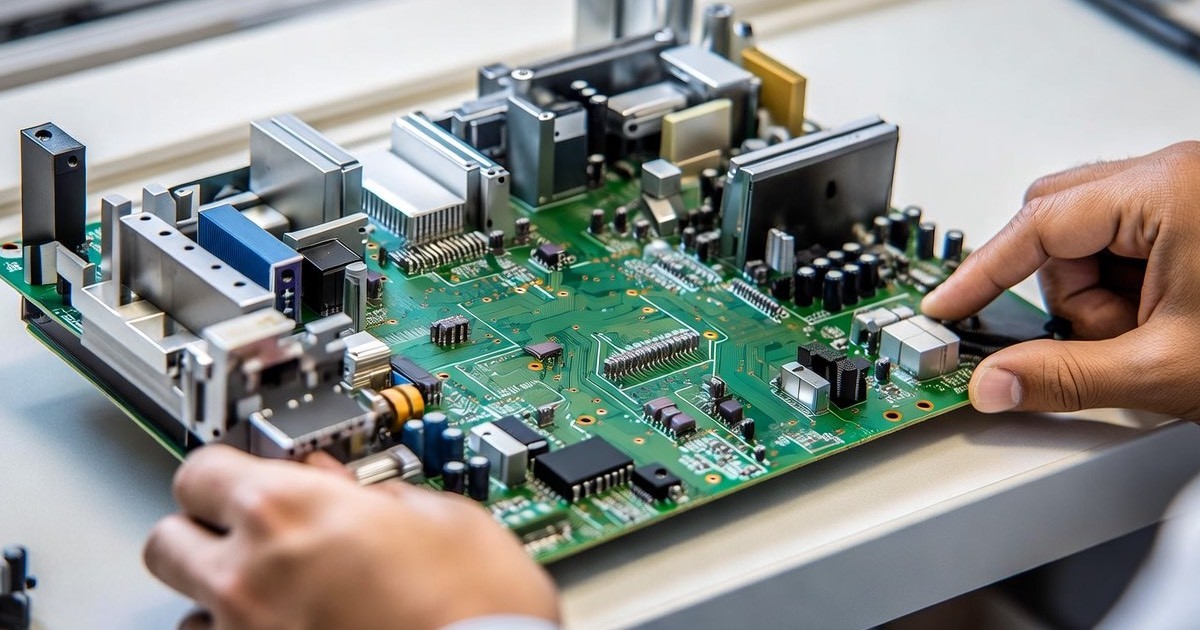
Here’s the most important factor: how complex is your board? A simple two-layer board with basic through-hole components is going to cost significantly less than a high-density, multi-layer board packed with tiny surface-mount components.
Layer count also matters a lot. Moving from a two-layer board to a four-layer or six-layer board increases manufacturing complexity and material costs. Each additional layer means more fabrication steps, more precise alignment requirements, and more opportunity for something to go wrong. If your design can work with fewer layers, you’ll save money—but sometimes the extra layers are necessary for signal integrity or space constraints.
Component density and
placement play a role as well. If your board is packed with hundreds of tiny components placed close together, that requires more precision during assembly, specialized equipment, and more time. A board with fewer, larger components that are easier to place and solder will naturally cost less to manufacture.
The Components Themselves
This might seem obvious, but component costs can vary wildly. Using specialized or hard-to-source components will drive up your costs, both in terms of the parts themselves and the time it takes to procure them.
If you’re using common, readily available components, your EMS partner can probably source them quickly and at competitive prices. But if you’re specifying obscure parts or components that are currently experiencing
supply chain shortages, expect to pay more—and possibly wait longer.
There’s also the question of component packaging. Surface-mount devices (SMD) are generally more cost-effective for high-volume production because they can be placed by automated machines quickly. Through-hole components often require manual insertion and soldering, which takes more time and labor.
Quantity Matters More Than You Think
Volume is one of the biggest cost drivers in PCB manufacturing. Ordering 10 boards versus 1,000 boards can result in dramatically different per-unit costs.
Why? Because many of the setup costs are the same whether you’re making 10 boards or 1,000. Programming the pick-and-place machines, setting up solder paste stencils, and preparing the production line all take time and resources. When you spread those fixed costs across more units, the per-board price drops significantly.
This is why prototype runs are expensive on a per-unit basis. You’re paying for all that setup for just a handful of boards. But if your EMS partner specializes in
rapid prototyping and NPI (new product introduction), they should have processes in place to make small runs as cost-effective as possible.
Turnaround Time and Your Deadline
Need your boards in two days? That’s going to cost more than if you can wait two weeks. Rush orders require prioritizing your job over others, potentially running overtime shifts, and expediting component procurement. All of that costs money.
If you have flexibility on timing, communicate that to your manufacturing partner. They might be able to slot your job into their production schedule more efficiently, which can reduce costs. But when you absolutely need boards fast—say, for a critical product demo or to meet a launch deadline—expect to pay a premium for that speed.
Testing and Quality Requirements
The level of testing and
quality assurance you require will also impact cost. Basic visual inspection costs less than automated optical inspection (AOI), which costs less than X-ray inspection, which costs less than full functional testing of every board.
For certain applications—especially medical devices, aerospace, or defense—rigorous testing isn’t optional. You need it for compliance and reliability. But for other products, you might be able to accept less intensive testing to keep costs down.
A good EMS partner will help you determine the appropriate level of testing for your application. Over-testing wastes money; under-testing risks quality issues in the field. Finding the right balance is key.
Design Considerations That Impact Cost
Sometimes small design changes can significantly reduce manufacturing costs without compromising functionality. Using standard board sizes, avoiding unusual shapes that create excess waste, and designing with manufacturability in mind can all help control costs.
Your choice of surface finish, solder mask color, and silkscreen detail can also affect pricing, though usually not dramatically. Stick with standard options when possible—specialty finishes and colors often come with premium pricing.
Panel utilization is another factor. If your board size and shape allow the manufacturer to fit more boards per panel during fabrication, you’ll get better pricing. Awkward board dimensions can result in wasted material and higher costs.
Working With Your EMS Partner
Here’s the thing: the best way to understand and control your PCB costs is to work closely with an experienced EMS partner early in your design process. They can review your design, suggest cost-saving modifications, and help you make informed trade-offs.
At Sonic Manufacturing, we work with customers on everything from early prototypes to high-volume production. Our engineering team can provide design-for-manufacturability feedback that helps you balance cost, quality, and functionality.
Understanding these cost factors empowers you to make better decisions and set realistic budgets. Your PCB doesn’t have to break the bank—it just needs to be designed and manufactured smartly.
Ready to discuss your project? Let’s talk about how to get you the quality you need at a price that makes sense. Give us a call today at
510-826-5406 or fill out our
contact form online.